Source IRAM Approved Plug Power Cord for Power Supply, Industry, and Construction
Find a selection of 30 IRAM approved plug power cord options suitable for power supply, industrial, and construction applications. Buyers can compare specifications including voltage, material, and packing details from verified suppliers in China.
Key considerations
Products List


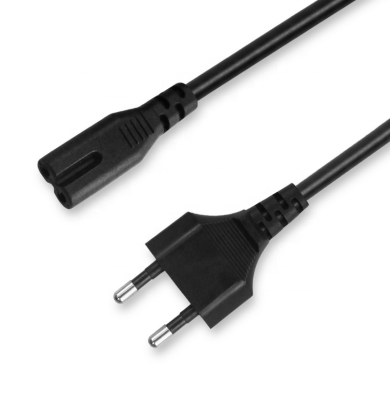

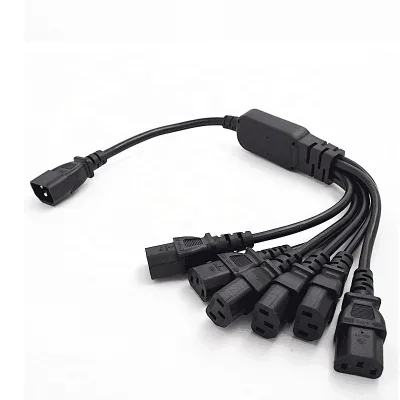
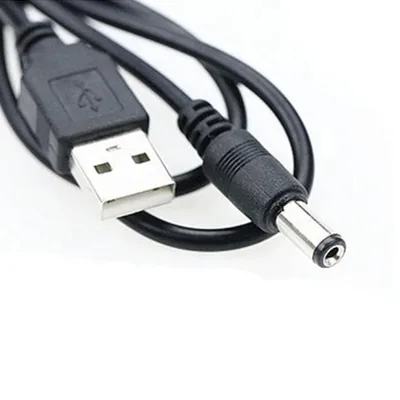


Comprehensive Sourcing Guide
Strategic Sourcing Guide for IRAM-Approved Plug Power Cords
Procuring electrical components that meet specific regional compliance standards requires a disciplined approach to verification and supplier evaluation. When searching for an IRAM-approved plug power cord, buyers must navigate a complex landscape of technical specifications, regulatory frameworks, and supply chain realities. The IRAM (Instituto Argentino de Normalización y Certificación) certification is a critical benchmark for electrical safety in Argentina, ensuring that power cords and plugs meet rigorous local safety requirements regarding insulation, current carrying capacity, and mechanical durability. This guide outlines the essential steps for sourcing these components effectively, focusing on evidence-based verification rather than unverified marketing claims.
Understanding Technical Specifications and Core Materials
The foundation of a reliable power cord lies in its material composition and physical design. When evaluating potential products, buyers should prioritize the insulation material and wire core construction. Based on available market data, high-quality power cords often utilize PVC (Polyvinyl Chloride) as the primary insulation material due to its balance of flexibility, durability, and cost-effectiveness. The wire core is typically constructed from Red Copper Wire, which offers superior conductivity compared to aluminum alternatives, ensuring minimal energy loss and reduced heat generation during operation.
The physical form of the wire is another critical specification. Many industrial-grade cords are designed as Flat Wire, which reduces tangling and facilitates easier routing in tight spaces or behind furniture. The voltage rating is equally important; buyers must verify that the product is rated for Low and Medium Voltage Cable applications to ensure compatibility with standard power distribution systems. The application scope for these cords is broad, covering Telecommunication, Construction, Industrial, Power Station, Overhead, Underground, and Computer environments. For specific use cases like PCB connections or Power Supply units, the design may vary to include specific interface types such as RJ45 or specialized plug shapes like EP.
| Feature | Common Observation | Verification Requirement |
|---|---|---|
| Insulation Material | PVC | Confirm thickness and fire-retardant rating |
| Wire Core | Red Copper | Verify purity and strand count |
| Voltage Rating | Low and Medium | Match to local grid standards (e.g., 220V/240V) |
| Shape | Flat Wire | Check flexibility and bend radius limits |
| Interface Type | RJ45, EP, Charger Plug | Ensure physical compatibility with target devices |
Navigating Compliance and Certification Protocols
The term "IRAM-approved" implies adherence to specific Argentine safety standards, but buyers must distinguish between general certifications and region-specific approvals. While many products in the global market carry CCC, CE, ISO, RoHS, and VDE certifications, these do not automatically equate to IRAM compliance. The IRAM standard is distinct and often requires local testing or a specific certification body endorsement within Argentina.
Buyers should scrutinize the HS Code provided by suppliers, which for power cords is typically 8544421100. This classification helps in determining import duties and regulatory requirements. Additionally, the Standard designation is crucial; while some products may list Chinese Standard or generic specifications like 40x30x20cm (likely referring to packaging dimensions) or 4.2mm Pitch (referring to connector spacing), the specific IRAM standard number must be explicitly stated in the product documentation.
It is important to note that while RoHS and Reach are frequently mentioned in product descriptions, they are often low-confidence background attributes in general listings. Buyers should not assume IRAM approval based solely on the presence of these environmental certifications. Instead, the procurement process must include a direct request for the IRAM certificate number and a verification of its validity with the issuing authority. The Warranty period, which can range up to 8 years for certain high-quality industrial components, serves as a secondary indicator of the manufacturer's confidence in their compliance and product longevity.
Cost Drivers and Pricing Structures
The pricing of IRAM-approved power cords is influenced by several variables, including material costs, certification fees, and order volume. The observed price range in the market can vary significantly, with some listings showing values between 0 and 14 USD per unit, though this likely reflects sample prices or basic components rather than fully certified, bulk-ready units. The MOQ (Minimum Order Quantity) is a major cost driver, with observed ranges spanning from 1 to 5000 units.
For buyers requiring Customization, such as specific lengths, colors, or plug configurations, the cost will increase due to the setup of private molds or specialized production lines. If a supplier indicates that private mold is "No," it suggests the use of existing tooling, which may limit customization options but reduce unit costs. Conversely, Customized orders often require higher MOQs to amortize the tooling expenses. The Packing method also affects logistics costs; options include Wooden Boxes, Cartons, Polybag/Tape/Plastic, or Carton Box Packing. Bulk orders often benefit from consolidated Carton packing to reduce shipping volume, while sample orders may be shipped in Poly Bag packaging.
Typical Applications and Usage Scenarios
The versatility of power cords allows them to serve a wide array of industries. In the Construction sector, cords must withstand harsh environments, often requiring Overhead and Underground installation capabilities. Industrial applications demand high durability and resistance to chemical exposure, while Power Station environments require strict adherence to safety protocols to prevent electrical hazards.
Specific applications dictate the required features. For Telecommunication and Computer systems, the Interface Type might be RJ45, requiring precise pin alignment and signal integrity. In Car applications, the cords must be flexible and resistant to vibration and temperature fluctuations. The Gender of the connector, such as Female, must match the mating device to ensure a secure connection. Furthermore, the Operating Frequency is a key consideration; most power cords operate at Low Frequency, which is standard for AC power transmission, but specific industrial machinery may have unique frequency requirements.
Supplier Evaluation and Verification Strategies
Selecting the right supplier is paramount when dealing with certified electrical components. Buyers should prioritize suppliers with a clear Place of Origin, such as Zhejiang, China or Guangdong, China, as these regions have established manufacturing ecosystems for electrical components. However, origin alone is not a guarantee of quality. The Brand reputation, such as WOER or Huazheng, can provide a baseline for reliability, but buyers must verify that the specific product line carries the necessary certifications.
A critical step in supplier evaluation is assessing the After-sales Service capabilities. Suppliers offering Online support demonstrate a commitment to resolving issues post-delivery. Additionally, the Sample Order policy is a valuable metric; suppliers that accept Sample Orders allow buyers to physically test the product for IRAM compliance before committing to a large purchase. The Delivery Lead Time is another practical consideration, with many suppliers offering delivery Within 15 Days. Buyers should confirm if this lead time includes the time required for certification verification or if it applies only to production.
Quality Control and Inspection Protocols
Implementing a robust quality control (QC) plan is essential to ensure that every batch of power cords meets the required standards. Inspection should begin with the raw materials, verifying that the Wire Core Material is indeed Red Copper and the Insulation Material is PVC of the specified grade. Visual inspections should check for uniformity in the Color, typically Black for industrial cords, and ensure there are no defects in the Shape or Folded sections of the wire.
For electrical testing, buyers should request Test Results that confirm the Current rating and Voltage tolerance. The Model number, such as ZRYJV, IR2, IS12, IS14, is20, or 5557, serves as a unique identifier for the specific product configuration. Buyers must ensure that the model number corresponds to the IRAM-approved version of the product. The Function of the cord, whether it serves as a Charger Plug or a general Power cord extension cord, must be clearly defined in the technical datasheet.
Long-Term Procurement Considerations
Sourcing IRAM-approved power cords is not a one-time transaction but part of a long-term supply chain strategy. Buyers should consider the Standard compliance in the context of future regulatory changes. Argentine regulations may evolve, and maintaining a relationship with a supplier who can adapt to new standards is crucial. The Warranty period, potentially up to 8 years, indicates the expected lifespan of the product and the supplier's willingness to stand behind their goods.
Furthermore, the Application scope should be reviewed periodically. As industries evolve, the demand for specific features like Computer connectivity or Industrial automation integration may shift. Buyers should maintain a flexible inventory strategy that accommodates Customization requests without incurring excessive costs. The Selling Units (e.g., Single item or bulk packs) should align with the procurement cycle to minimize storage costs and waste. Finally, maintaining open communication regarding Lead Time and MOQ changes ensures that the supply chain remains resilient against market fluctuations.
In conclusion, sourcing IRAM-approved plug power cords requires a meticulous approach that balances technical specifications, regulatory compliance, and supplier reliability. By focusing on verified facts, such as material composition, certification status, and clear application requirements, buyers can mitigate risks and secure high-quality products that meet the stringent demands of the Argentine market. The journey from initial inquiry to final delivery involves careful verification of every detail, from the Red Copper Wire core to the 8-year warranty, ensuring that the final product delivers safety, performance, and value.
FAQs
What certifications do IRAM approved plug power cords typically carry?
These cords often carry CCC, CE, ISO, RoHS, and VDE certifications. However, IRAM approval is a distinct Argentine standard that requires specific local verification beyond these general marks.
How is the wire core material constructed in these power cords?
The wire core is typically constructed from Red Copper Wire to ensure superior conductivity. This material choice minimizes energy loss and heat generation during standard AC cable operation.
Which insulation material is commonly used for these electrical components?
PVC is the primary insulation material used due to its flexibility and durability. This material provides a cost-effective balance for low and medium voltage cable applications.
Can buyers request customization for these power cord specifications?
Yes, customization is available for specific lengths, colors, or plug configurations. Buyers should note that custom orders may require higher minimum order quantities to amortize tooling costs.
What is the typical delivery lead time for these sourced items?
The delivery lead time is typically within 15 days for standard orders. This timeframe applies to production and shipping once the order is confirmed and sample requirements are met.
How are these power cords typically packaged for shipment?
Packaging options include Wooden Boxes, Cartons, or Polybag/Tape/Plastic within cartons. The specific packing method depends on the order volume and whether it is a sample or bulk shipment.
Which application areas are suitable for these flat wire cables?
These cables are suitable for Telecommunication, Construction, Industrial, and Power Station applications. They are also designed for Overhead, Underground, and Computer system environments.